Gen X forces luxury brands to rethink their marketing strategy: study
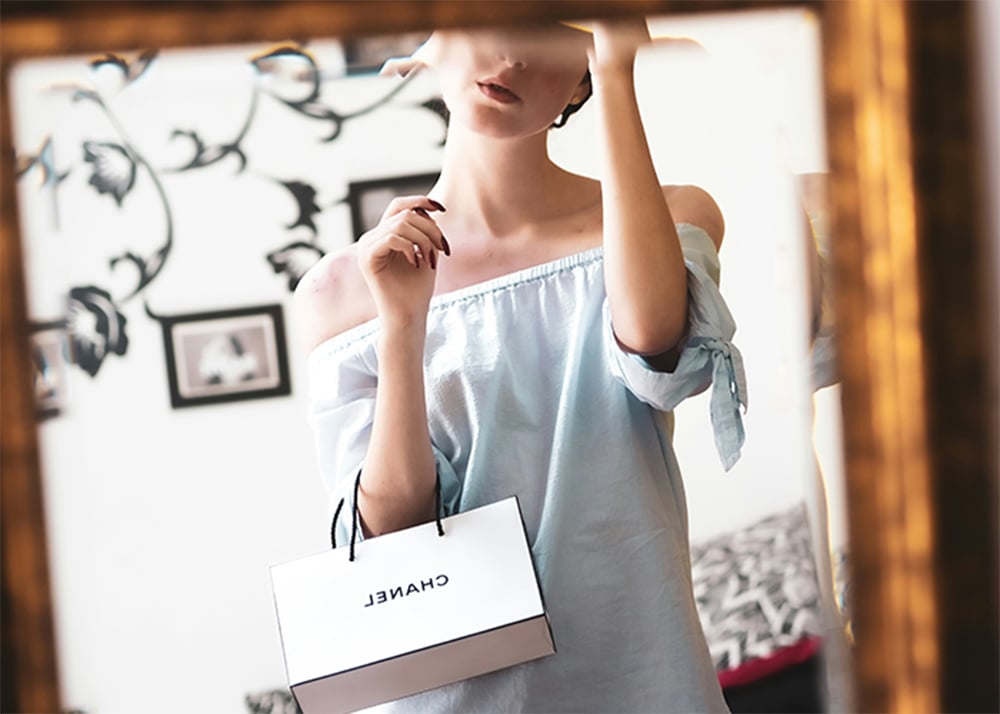
Forget velvet ropes and logo-heavy handbags, Gen X is redefining the meaning of luxury – leaving premium brands scrambling to catch up.
New international research by PUBLICIS LUXE and OpinionWay spanning the the UAE, the United States, France and China reveals luxury brands risk missing a multi-billion-dollar growth opportunity as 45-60 year olds, now entering their peak spending years, prioritise autonomy and experiences over traditional status symbols.
Findings from the study were revealed in a one-hour talk at PUBLICIS LUXE, built to cross views and go beyond the report. The panel discussion included insights from Deborah Marino, Chief Strategy Officer, PUBLICIS LUXE; Joëlle Diderich, Paris Bureau Chief, WWD; Vanessa Seward, Artist and Creative Director, Begg x Co; and Alexandra Van Houtte, Founder and CEO, TAGWALK.

The study reveals that more than half of Gen Xers in the US, UAE and France buy luxury items for personal pleasure, not social recognition – undermining decades of marketing strategy built around exclusive access and conspicuous consumption.
The study shows that 61 per cent of Gen Xers view midlife as a moment of opportunity and transformation. In China, nearly half consider it a “second youth” – the perfect opportunity to live life to the full, explore and reinvent yourself – and a third of respondents in the US and UAE connect ageing with a sense of renewed optimism. A quarter of Americans say they feel content simply being themselves, while 43 per cent prefer experiences to possessions.
This shift in luxury consumption patterns poses a challenge for premium brands. As mortgages end and children gain independence, Gen X controls a significant – and growing – proportion of household wealth.
But while traditional luxury marketing emphasises visibility, Gen X consumers around the world demonstrate markedly different preferences to previous generations – prioritising a sense of “satisfaction and accomplishment” and discretion.
Unlike Baby Boomers, responses showed Gen Xers across all regions believe luxury is personal and experiential. In particular, more than 70 per cent of respondents from France and the USA equate luxury with experiential freedoms such as travel and quality time with loved ones, while fewer than 10% consider luxury purchases to be an investment. The majority of consumers from all regions feel “being able to do what you want” is a luxury.
Notably, brand loyalty also appears on the decline – only one in 10 consumers across these markets would buy luxury items out of allegiance to a certain company or brand – while function beats aesthetics for respondents from every country except France.
Regional nuances shine through in every category: While those in the United States look for long-term value and functionality when making luxury purchases, nine out of ten respondents in both China and the UAE are ready to pay more for luxury goods and services that align with environmental values.
In the Emirates, 85% of consumers view luxury as a lever for upward mobility, while 49 per cent of those in France favour purchases that feel discreet and exclusive.
More than a third of Chinese respondents consider innovation an “essential” quality when choosing luxury products – compared to only one in ten consumers in France and the United States.
Now, as Gen X enters its peak spending decade, brands that recognise this shift stand to capture a demographic with both the means and motivation to invest in premium experiences, and which has nothing to prove.
Those that fail to adapt risk losing a generation of high-value customers who view aging as a period of possibility, freedom and self-expression – in other words, the ultimate luxury experience.
link